
At the press conference Bosch executives: Tanja Rückert, board member and Paul Thomas, president of Bosch in North America unveiled a sweeping vision of how artificial intelligence and software are reshaping everyday life—from verifying product authenticity to redefining cooking, mobility, and industrial productivity. Drawing on its deep expertise across both the physical and digital worlds, Bosch demonstrated how intelligent technology can reduce complexity, eliminate stress, and empower people across skill levels.
Fighting Counterfeiting With AI
Bosch opened by introducing a revolutionary AI-powered authenticity verification technology. Using live video analysis, the system can quickly and reliably determine whether an item—such as sneakers, car parts, or artwork—is genuine. By bridging the physical and digital divide, this innovation has the potential to significantly disrupt the global counterfeiting industry and strengthen consumer trust.
AI That Serves People at Home
At the core of Bosch’s philosophy is a simple principle: technology should serve people, not the other way around. Nowhere is this more evident than in the kitchen. Bosch showcased how generative AI combined with advanced sensors can elevate cooking for everyone—from home cooks to professional chefs.

Celebrity chef Marcel Vigneron demonstrated Bosch Cook AI, a next-generation cooking assistant that builds on the brand’s AutoChef induction technology. By analyzing ingredients through images, understanding user preferences, and monitoring food in real time with Bluetooth temperature probes, the system precisely controls heat and cooking time to deliver consistent, high-quality results. The goal is not to replace human creativity, but to remove uncertainty and stress from cooking.
Appliances That Improve Over Time
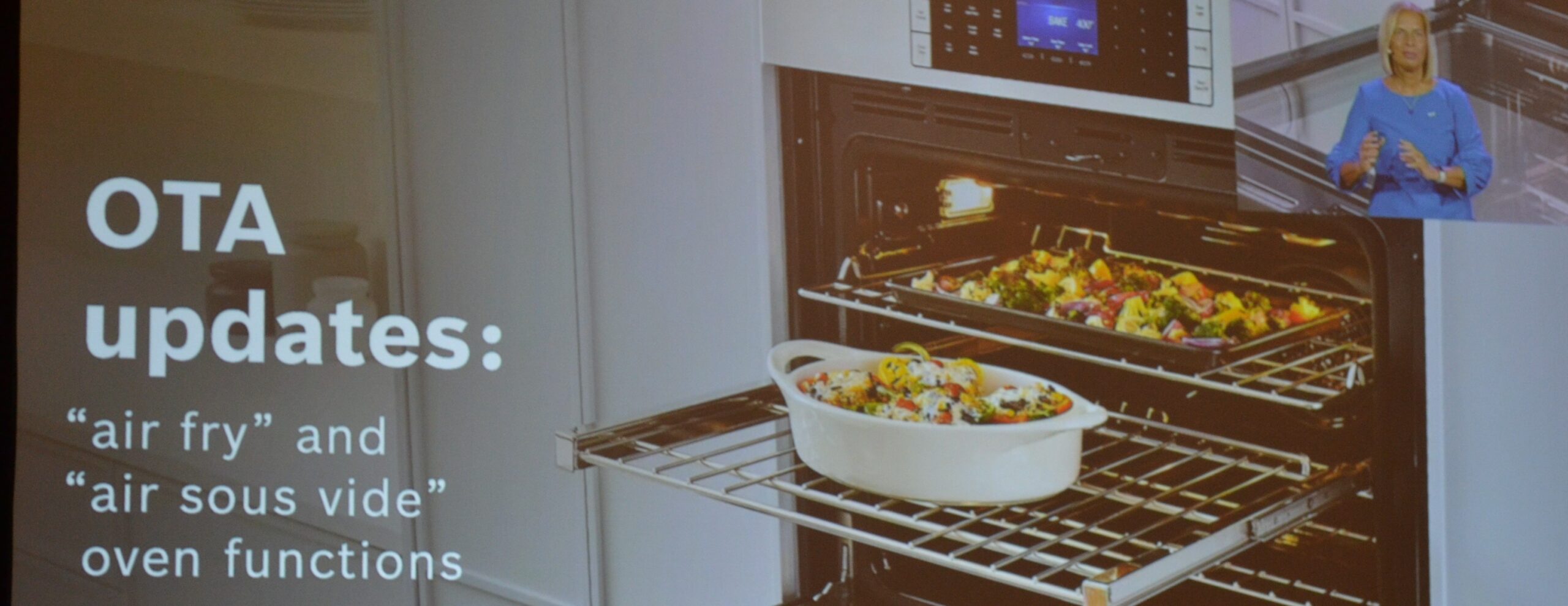
Bosch emphasized that modern appliances no longer need to be replaced to gain new features. Through connectivity and over-the-air software updates, existing Bosch products can evolve long after purchase. Recent updates have added new cooking functions, such as air fry and advanced heating modes, to connected ovens at no additional cost—demonstrating Bosch’s commitment to long-term value.
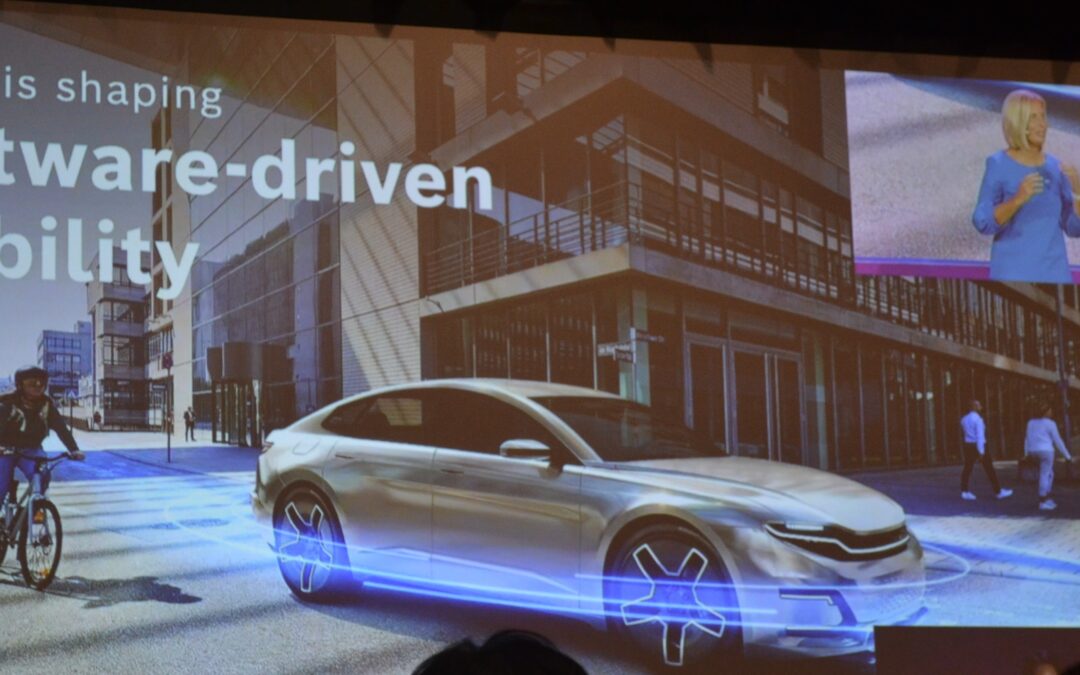
Software-Defined Mobility
Beyond the home, Bosch highlighted how its software and hardware integration is transforming mobility. Its vehicle motion management technology allows cars to gain new driving modes and personalization features even after leaving the dealership. By intelligently coordinating braking, steering, powertrain, and suspension systems, Bosch’s software can improve comfort, safety, and driving dynamics.
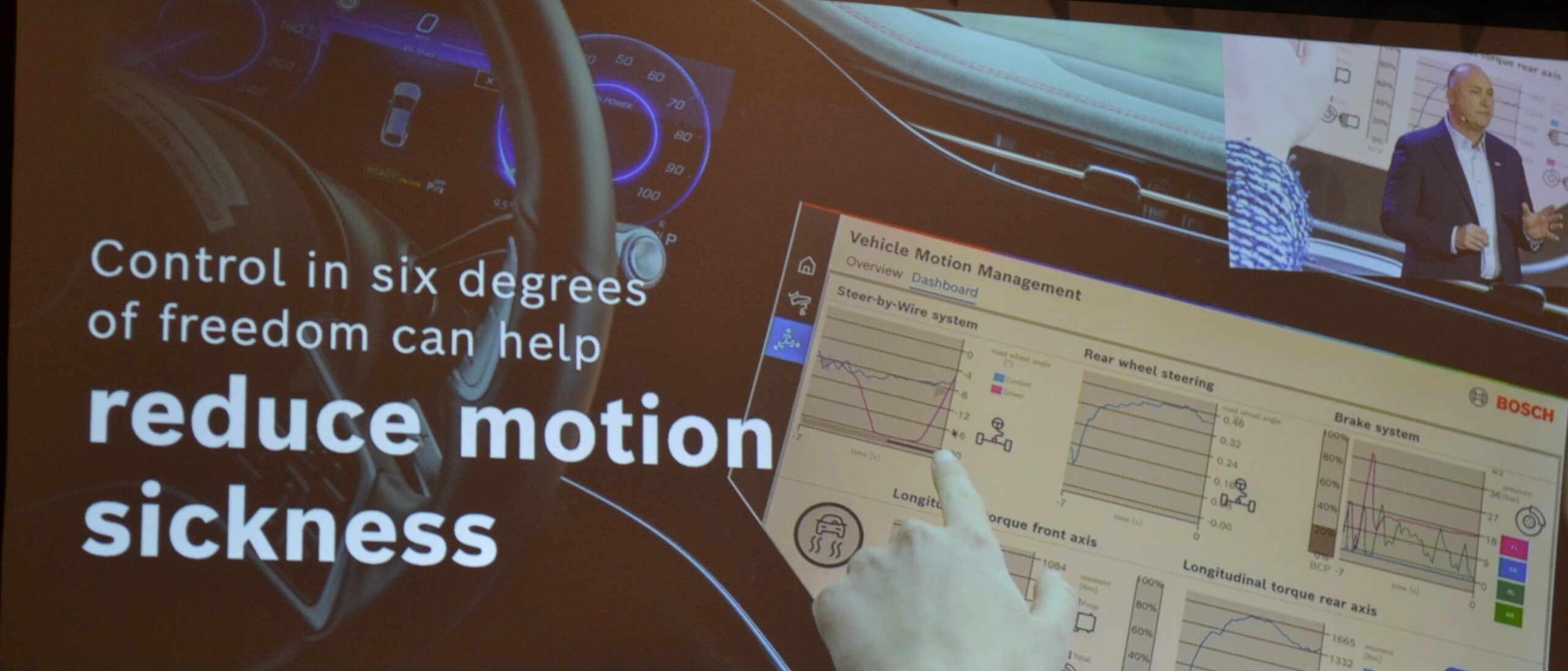
One major advancement is six-degrees-of-freedom vehicle control, which helps significantly reduce motion sickness—an issue affecting a large portion of adults and a major barrier to autonomous driving adoption.
Building the Future of Software-Defined Vehicles
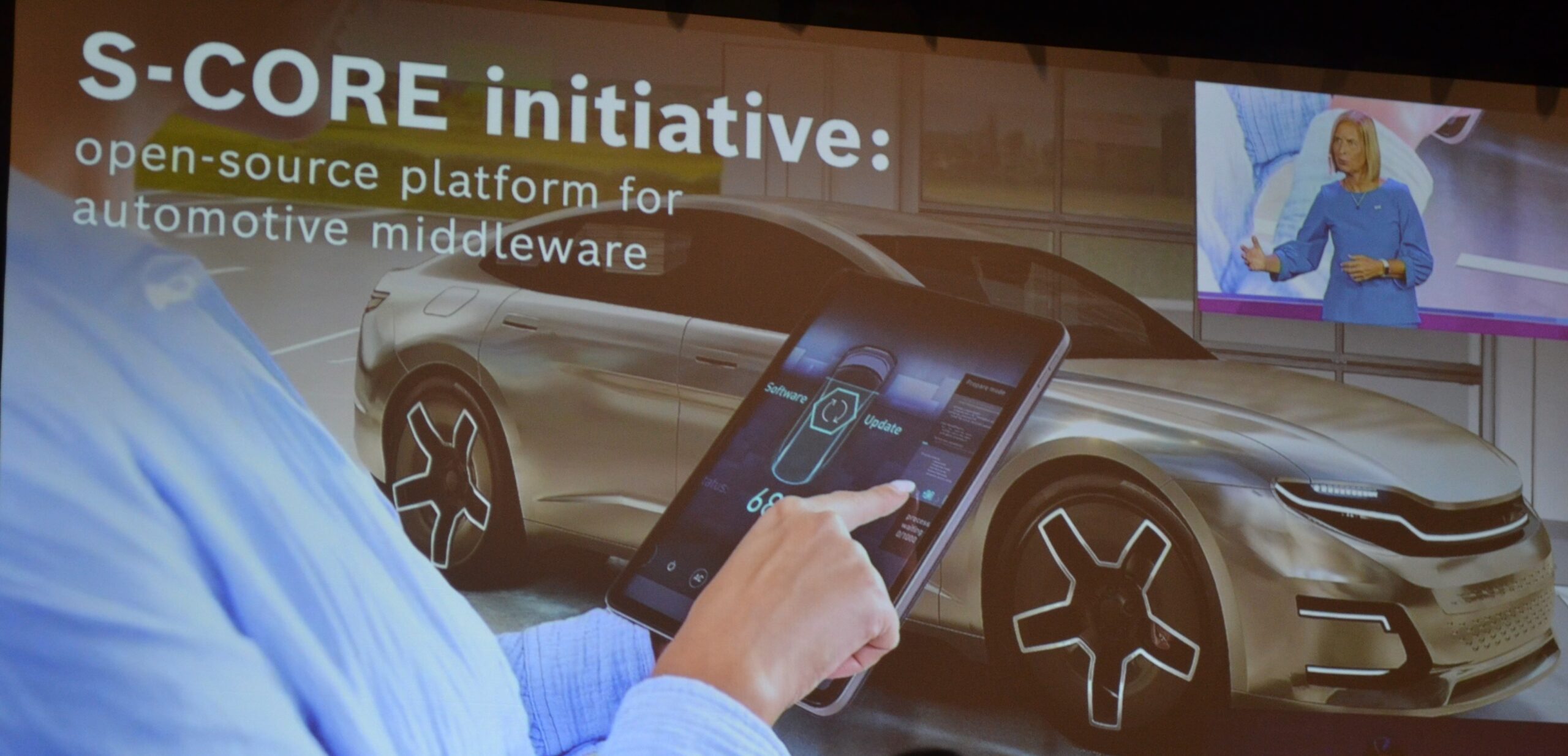
Bosch is playing a key role in the shift toward software-defined vehicles, a market projected to exceed one trillion dollars by the end of the decade. The company is developing open, high-performance middleware platforms that act as the “nervous system” of modern vehicles, simplifying development, lowering costs, improving security, and accelerating innovation for automakers worldwide.
Bosch also announced progress in key technologies such as steer-by-wire and brake-by-wire systems, essential components for future automated and autonomous vehicles. These systems are already moving into large-scale production with major global automakers.
AI That Sees, Hears, and Understands
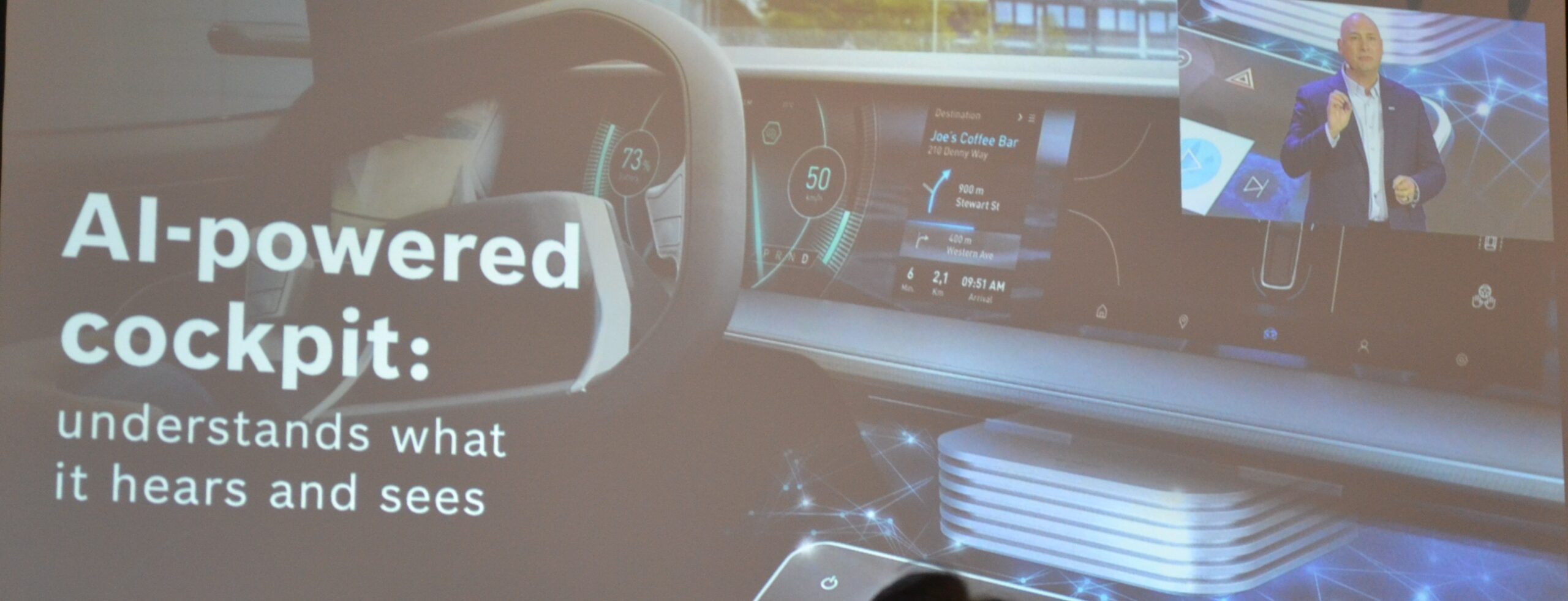
Artificial intelligence is central to Bosch’s automotive roadmap. The company showcased AI-powered cognitive vehicles capable of both seeing and hearing through advanced language models. These systems enable natural conversations with vehicles, intelligent perception of surroundings, automated parking, and even real-time meeting assistance while driving or riding as a passenger.
Bosch expects AI-based solutions for assisted and automated driving to become a multi-billion-euro business by 2035.
AI for Industry and Productivity
Bosch also demonstrated how its AI expertise extends into industrial applications. By partnering with technology leaders such as Microsoft, Bosch aims to apply generative AI to manufacturing environments, boosting productivity, efficiency, and flexibility in increasingly complex industrial operations.
A Unified Vision
Across all domains—consumer goods, mobility, and industry—Bosch’s message was consistent: its strength lies in combining hardware, software, and AI into complete systems and ecosystems. Rather than offering isolated components, Bosch is building intelligent platforms that deliver real-world benefits, improve quality of life, and prepare society for a more connected, automated future.
Photos by Lidia Paulinska
