
Medicine—once reactive, treating disease only after symptoms appear—is rapidly evolving into something new. In 2014 American biologist and biotech pioneer Dr. Leroy Hood has offered the clearest vision of tomorrow’s healthcare. He describes the future as 4P Medicine: Predictive, Preventive, Personalized, Participatory. This vision is no longer on the horizon—it has arrived.
This shift, driven by biotechnology and digital innovation, marks one of the greatest transformations in the history of healthcare.
For generations, people have relied on forecasts to guide their daily decisions. When we want to know what the weather will be tomorrow, we open an app on our phone, turn on the radio, or watch the evening news. These predictions help us choose the right clothing, plan a trip, or prepare for a storm. Though convenient, these forecasts are not essential to survival. If we don’t know the weather, life goes on.
But the question “What will my health be like tomorrow?” is very different. Unlike the weather, the answer can determine the course of our life. Will we wake up feeling strong and healthy? Will cold symptoms appear overnight? Or will tomorrow bring a diagnosis that changes everything—a chronic condition, a genetic disorder, or a life-threatening illness? Knowing the future of our health is profoundly important, yet for most of human history, this knowledge has been out of reach.
Traditional medicine waits. It waits for pain, for symptoms, for problems that must be solved after they occur. For centuries this was the only option, because doctors lacked tools to understand what was happening inside the human body before illness appeared.
But advances in biotechnology, genetics, and data analytics are rewriting the rules. Modern medicine is beginning to resemble weather forecasting: predictive models built from enormous streams of data can now indicate our health risks long before we feel anything.
The science behind this new capability builds on several breakthroughs:
- Genomics, which maps our genetic predispositions
- Wearable sensors, which collect real-time data about physiology
- Artificial intelligence, which identifies patterns invisible to humans
- Behavioral tracking, which captures environmental and lifestyle influences
Together, these tools allow physicians to anticipate illness rather than simply react to it.
Millions of people now wear devices that continuously track: heart rate, oxygen level, activity and movement, sleep stages, blood pressure, blood glucose levels or stress signals. These sensors turn our bodies into sources of data, providing information that once required clinical visits. When combined, these data streams create a high-resolution portrait of our health.
The smartphone has quietly become the central device in digital medicine. It stores our medical data, tracks behavior, connects to wearable devices, and hosts apps that analyze symptoms, drug interactions, and lifestyle patterns. For the first time in history, billions of people carry clinical-quality sensors in their pockets.
The human body produces enormous amounts of information each second. Until recently, we lacked the tools to interpret it. AI changes everything. Machine learning models can detect: early sign of heart disease before symptoms occur, cancer signatures in bloodwork, anomalies in breathing and sleeping. AI operates like a constant medical companion, analyzing data streams and alerting us to risks long before a crisis emerges.
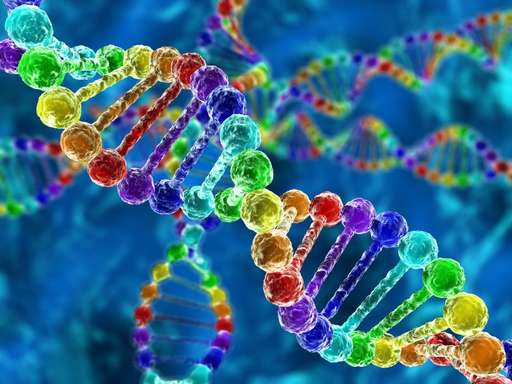
The discovery of DNA’s structure in the 1950s was one of the most significant moments in science. But only today—thanks to advances in sequencing—are we fully unlocking its potential. This revolution means individuals can now: understand their genetic predisposition to hundreds of conditions, tailor diet, exercise, and lifestyle to their genetic profile, detect carriers of hereditary diseases within families. Genomics is no longer a laboratory dream—it is becoming part of everyday healthcare.
