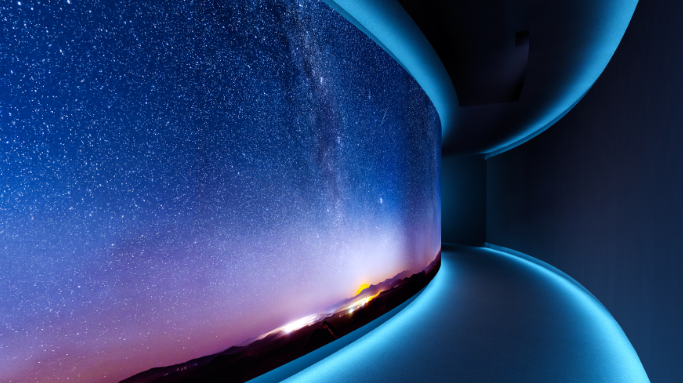
At the CES Pepcom “Digital Experience” show online, I was fortunate to spend some considerable time at the Dolby virtual booth learning about the company’s recent announcements at CES, as well as the company’s rapid progress during the last few years.
It was just a mere four years ago when I wrote about the launch of Dolby Cinema which dramatically changed the movie going experience with its immersive combination of Dolby Vision and Dolby Atmos with their collaboration with AMC theaters wowing audiences around the world. In movie houses around the world, nothing looked or sounded better.
Dolby Vision has also been the benchmark for TV’s since its introduction. It is the HDR standard that uses dynamic metadata which will give you better visuals and improve the image quality. The main difference between Dolby Vision and HDR10 is the colour depth and brightness the content and equipment is capable of achieving, with Dolby Vision giving you the darkest of darks and the brightest of brights.
In 2015, Vizio was the first company in America to release Dolby Vision TV’s. Two years later, LG was the first company globally to utilize Dolby Vision on their top of the line OLED TV’s. Every year since, LG won the “Best of CES” awards for TV’s, including one for this year’s CES. During that span, the majority of TV manufacturers have jumped onto the Dolby Vision bandwagon; TCL, Sony, Panasonic, and Phillips, to name just a few.
Within the last year, with the help of the pandemic with people staying home, the adoption and demand of Dolby Vision and Dolby Atmos in the home has been widespread, and not just exclusively associated to TV’s, but also mobile devices.
As the pandemic worsened during 2020, Dolby conducted a global survey and discovered a significant shift in consumer behavior. Fueled by a majority who uses their smartphone, tablet, PC as their primary device for consuming entertainment over the past few months, Dolby found out that the majority of them wanted, desired and planned to upgrade and pay for more immersive experiences. The survey also noted that 82% of the respondents in the survey said that they were planning to purchase a new device in the next few months to upgrade their entertainment experience.
“That’s very exciting for us!”, Cairon Armstrong, the PR Manager at Dolby exclaimed, “because with our partners there’s a lot of new devices coming out that support Dolby Atmos and Dolby vision that they can use to get those great experiences”.
NOT JUST FOR MOVIES ANYMORE…
With consumers having more time than ever before to engage with entertainment on their mobile devices, the survey also showed that most consumers, many for the first time, are interacting with friends and family while enjoying entertainment, such as talking on the phone, texting, and video chatting while watching the same content simultaneously, as well as spending more on premium subscriptions in order to receive a better quality and shared experience.
Certainly, at least for now, our mobile device has become our new “best friend” that connects are friends, given the COVID-19 stay at home orders. Without it, we wouldn’t be able to “socialize” with the people we know, as the pandemic has pretty much dissipated the large groups of social gatherings that we used to have.
However, the stark reality is that most consumers are still stuck at home with the technical limitations of their mobile devices and will never be able to replace that real-life experience of, for example, going to a live concert with their group of friends.
Watching a streamed pay per-view concert on any mobile device is certainly dwarfed in comparison to experiencing a real live concert, but if you add Dolby Vision or Atmos, it will significantly boost the the enjoyment level a big notch. This is an example of what users want as a more personal and immersive entertainment experience.
Dolby have made lots of announcements in a lot of ways for consumers to get content both in the movie and TV space, as well as the music and games, and even in content creation that allows them to experience Dolby Vision and Dolby Atmos.
It was just last year when Dolby launched Dolby Atmos music at CES, not just with Amazon Music and Echo Studio but also with titles from Universal Music Group. Soon, new tracks and albums will be launched by huge artists like Lady Gaga, Coldplay, Post Malone, and The Weeknd in Dolby Atmos.
“On the gaming front, Microsoft announced the new Xbox with support for Dolby Atmos, but more importantly it was the first console that also supported Dolby Vision,” Armstrong continued, “There were a lot of big game titles, such as “Cyberpunk 2077”, and “Call of Duty – Warzone” that support Dolby Atmos…we’re excited this year to see the first Dolby Vision and Dolby Atmos game titles coming out”.
“On the mobile front, with the launch of the iPhone 12, we launched Dolby Vision capture together with Apple giving consumers a way to create, share and watch Dolby Vision content on their own without all of the complications and difficulties that they used to take,” Amstrong explained, “and so taking this really premium high quality experience allows them to capture their worlds and share it in a much easier way.”
Though Dolby was primarily at CES to promote the wonderful products in the home entertainment space, they were also here because of a new innovation in the PC audio conferencing space from one of their PC partners.
One of their partners, Lenovo announced and unveiled three new innovative and redesigned ThinkPads at CES; the ThinkPad X1 Titanium Yoga (their thinnest ever), ThinkPad X1 Carbon Gen 9 and the X1 Yoga Gen 6. Though their entire line of X1’s and Carbons all feature Dolby Vision and Dolby Atmos, this line is the very first to support Dolby Voice.
Dolby Voice delivers a supreme conferencing experience that feels more natural, reduces listener fatigue, and sounds stunningly clear to make meetings more productive. It also optimizes speaker and microphone performance with features such as dynamic levelling to automatically adjust for voices that are quieter or further away and noise suppression that reduces unwanted background noises and echo no matter what meeting platform you use. Productivity is further enhanced with improved speech recognition for voice assistants.
“We’re particularly excited about how we can bring our Dolby technology to bear on making PC video conferencing an even better experience.”, Armstrong said.
Whether at work or play, it looks like our global landscape will continue to improve for the better as we will soon be able to see and hear Dolby just about everywhere we go.
Voice-Over Actors Hall of Fame to open at the historic Orinda
It has been well over a year since the California Independent Film Festival Association conceived the notion of crafting a special public live event that would recognize the true artistry of some of the great voice-over actors of the past. Whether from animated feature films, animated TV shows, or just cartoons, the work from these voice-over actors are indelible and should truly be recognized and appreciated. Despite these memorable characters these great artists have portrayed, they never seem to receive their due acknowledgment or appreciation that they should have.
With California Independent Film Festival (CAIFF) founder, Derek Zemrak, this situation will soon change, as he plans to open up a newly created Voice-Over Actors Hall of Fame in Orinda which will also have a museum exclusively dedicated to their art and craft and to the inducted artists themselves.
“As you may know voice acting requires extreme talent. Sadly, voice performers are often overlooked. As a result, I am starting the Voice-Over Actors Hall of Fame in the historic Orinda Theatre, located in East Bay of San Francisco, to preserve and educate individuals on the history of Voice-Over Talent.” Zemrak continues. “It is time to celebrate this beloved art form that has entertained so many over the years.”
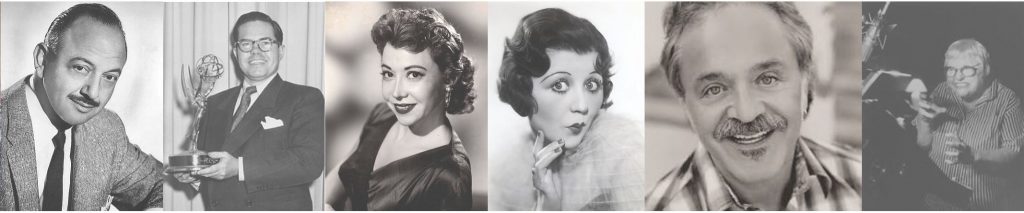
Inductees : Mel Blanc, Daws Butler, June Foray, Mae Questel, Jim Cummings, and Pat Carroll
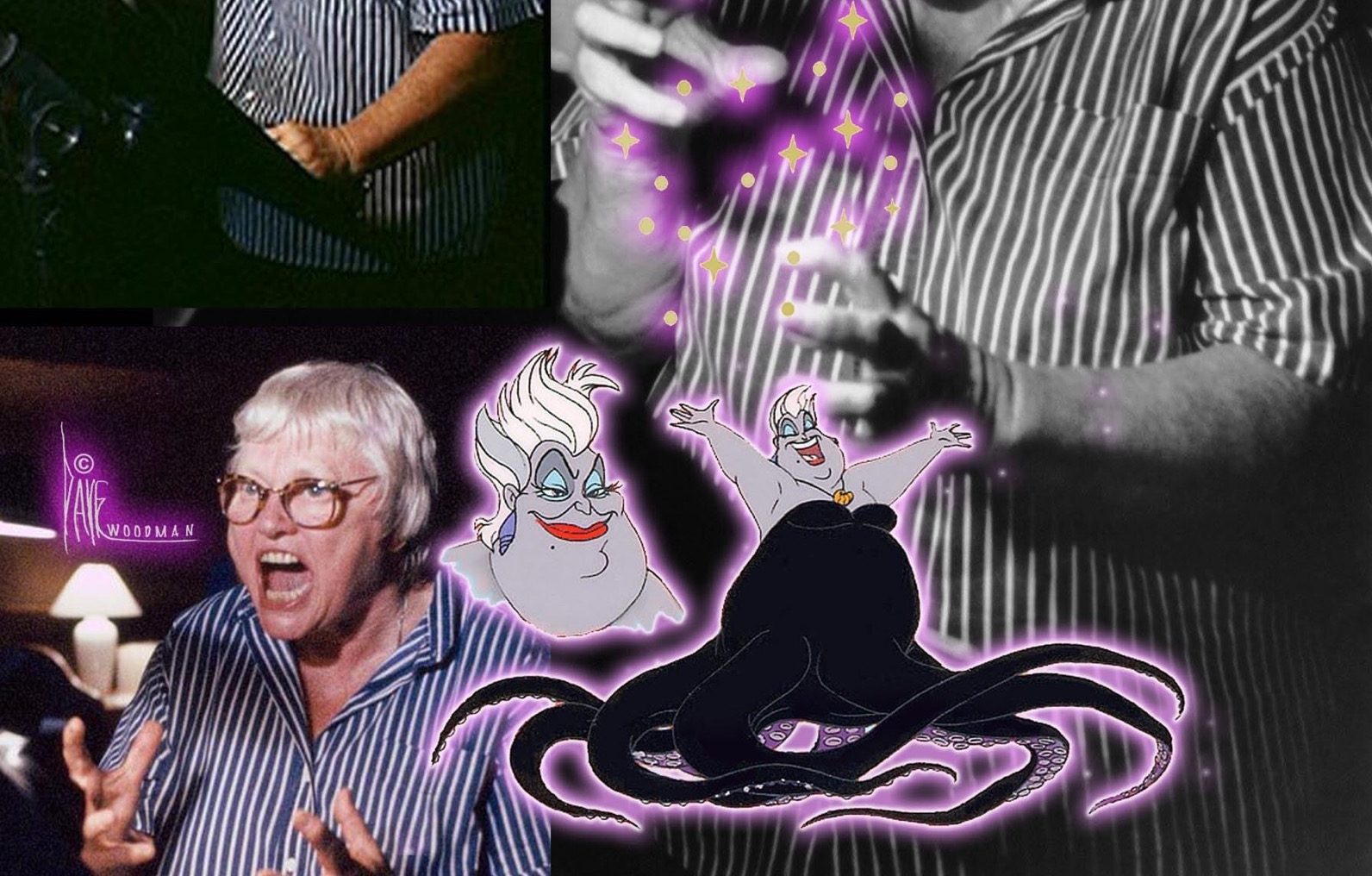
The inaugural class includes Mel Blanc, Daws Butler, June Foray and Mae Questel. True pioneers in the industry. In addition, Legacy Characters, Ursula (Pat Carroll) and Living Legend Jim Cummings (Winnie the Pooh, Tigger) will be inducted.
Originally slated for May 16th and 17th of this year, but delayed due to the COVID-19 pandemic, Zemrak and the organizers of the theater reset the new date to October 10th planned for their induction ceremony, and in conjunction will open the new Voice-Over Hall of Fame museum inside the historic Orinda theater, which is located in the San Francisco Bay Area.
The museum will include stunning plaques of the inductees with their bios. Plus a museum of memorabilia on display from their careers. One piece is a 1937 Productions cell from Mel Blanc’s first cartoon, Porky the Wrestler.
Here are the details of the event:
The Voice-Over Actors Hall of Fame Induction Ceremony held October 10th a 1PM to 3PM PST. The event will kick off with a Q &A with voice-over actors Bob Bergen (Porky Pig) and Debi Derryberry (Jimmy Neutron). The event can be seen streaming online at www.VOHOF.org, the Voice-Over Actors Hall of Fame Facebook page and the Orinda Theatre Facebook page.
Many national and local personalities have come onboard to support the Voice-Over Actors Hall of Fame including Emmy Winner, Rob Paulsen (Pinky and the Brain), Film Historian, Leonard Maltin, Noel Blanc (Mel’s son), Tara Strong (The Powerpuff Girls), Disney animator, Dave Woodman, and Film Critic, Jan Wahl.
With all of these “characters” participating in this event, animated or not; it’s sure to be an unforgettable and comical event not to be missed.
THE INDUCTEES:
MEL BLANC: (May 30, 1908 – July 10, 1989) was an American voice actor and radio personality. After beginning his over-60-year career performing in radio, he became known for his work in animation as the voices of Bugs Bunny, Daffy Duck, Porky Pig, and most of the other characters from the Looney Tunes and Merrie Melodies theatrical cartoons during the golden age of American animation.
DAWS BUTLER: (November 16, 1916 – May 18, 1988) was well-known through many Hanna Barbera cartoons, including Loopy De Loop, Wally Gator, Yogi Bear, Hokey Wolf, Elroy Jetson, Quick Draw McGraw, Baba Looey, Peter Potamus, Snagglepuss, and Huckleberry Hound.
JUNE FORAY: (September 18, 1917 – July 26, 2017) was an American voice actress who was best known as the voice of such animated characters as Rocky the Flying Squirrel, Nell Fenwick, Lucifer from Disney’s Cinderella, Cindy Lou Who, Jokey Smurf, Granny from the Warner Bros
MAE QUESTEL: (September 13, 1908 – January 4, 1998) was an American actress and voice actress best known for providing the voices for the animated characters Betty Boop and Olive Oyl from 1931.
JIM CUMMINGS: (born November 3, 1952) is an American voice actor and singer, who has appeared in almost 400 roles, including Winnie the Pooh, Tigger, and the Tasmanian Devil.
PAT CARROLL: (born May 5, 1927) is an American actress and singer. She is known for voicing Ursula in The Little Mermaid as well as having a long acting career, including appearances in CBS’s The Danny Thomas Show, ABC’s Laverne & Shirley, NBC’s ER, other guest-starring and series-regular roles on American television as well as voice-acting in several cartoon series.
Some of the items on display at the “Voice-Over Actors Hall of Fame Museum” in Orinda.
Spanning many generations, from the golden era of the early thirties to today’s modern day animated features, it seems fitting to celebrate the greatest voice-over actors and actresses who brought to life some of the most iconic and loveable animated cartoon characters and honor them into the iconic Orinda theater that is no stranger to history itself.
The museum will open to the public when the Orinda Theater opens to the public.
Donations can be made at https://www.orindamovies.com
That’s all folks.
Originally published at www.mlsentertainment.wordpress.com
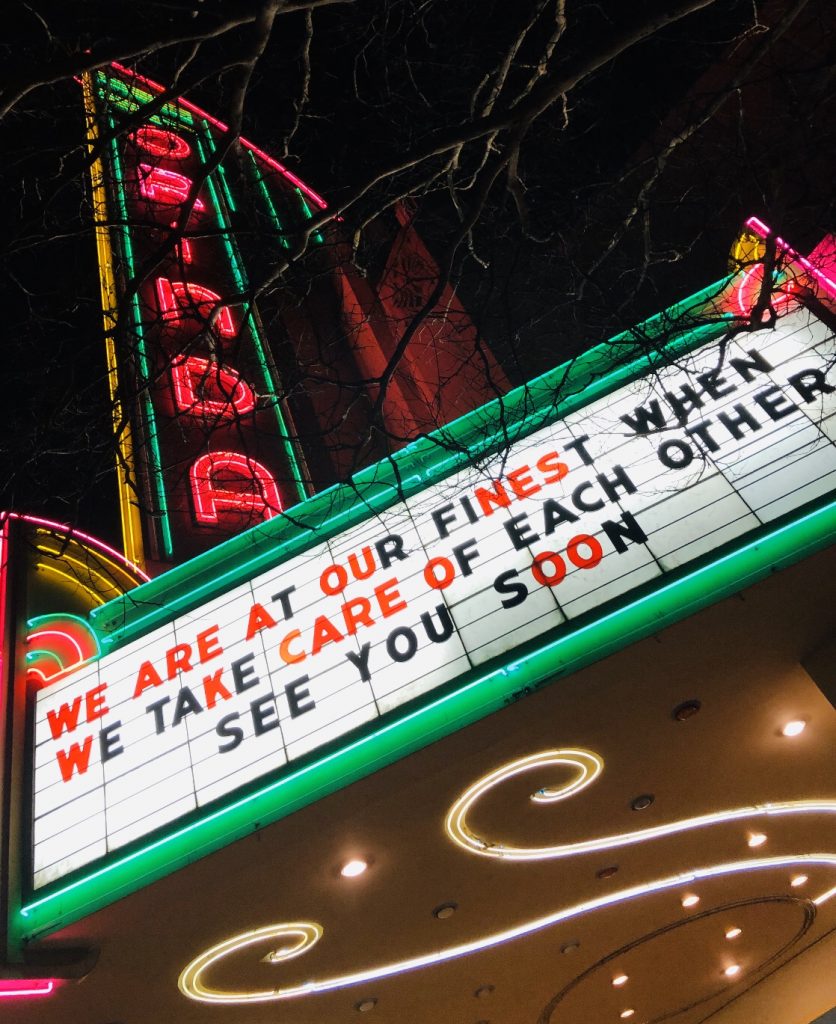
It’s 6pm on a Friday night in the East Bay at the historic landmark Orinda Theater, just 15 miles east of San Francisco. With its impressive luminous flashing neon lights on its marquee displaying a spectacular view to those who pass along Highway 24 at night, it gives pride and joy to the citizens of Orinda to have its city name in glittering lights, as not many intimate cities in the Bay Area can claim.
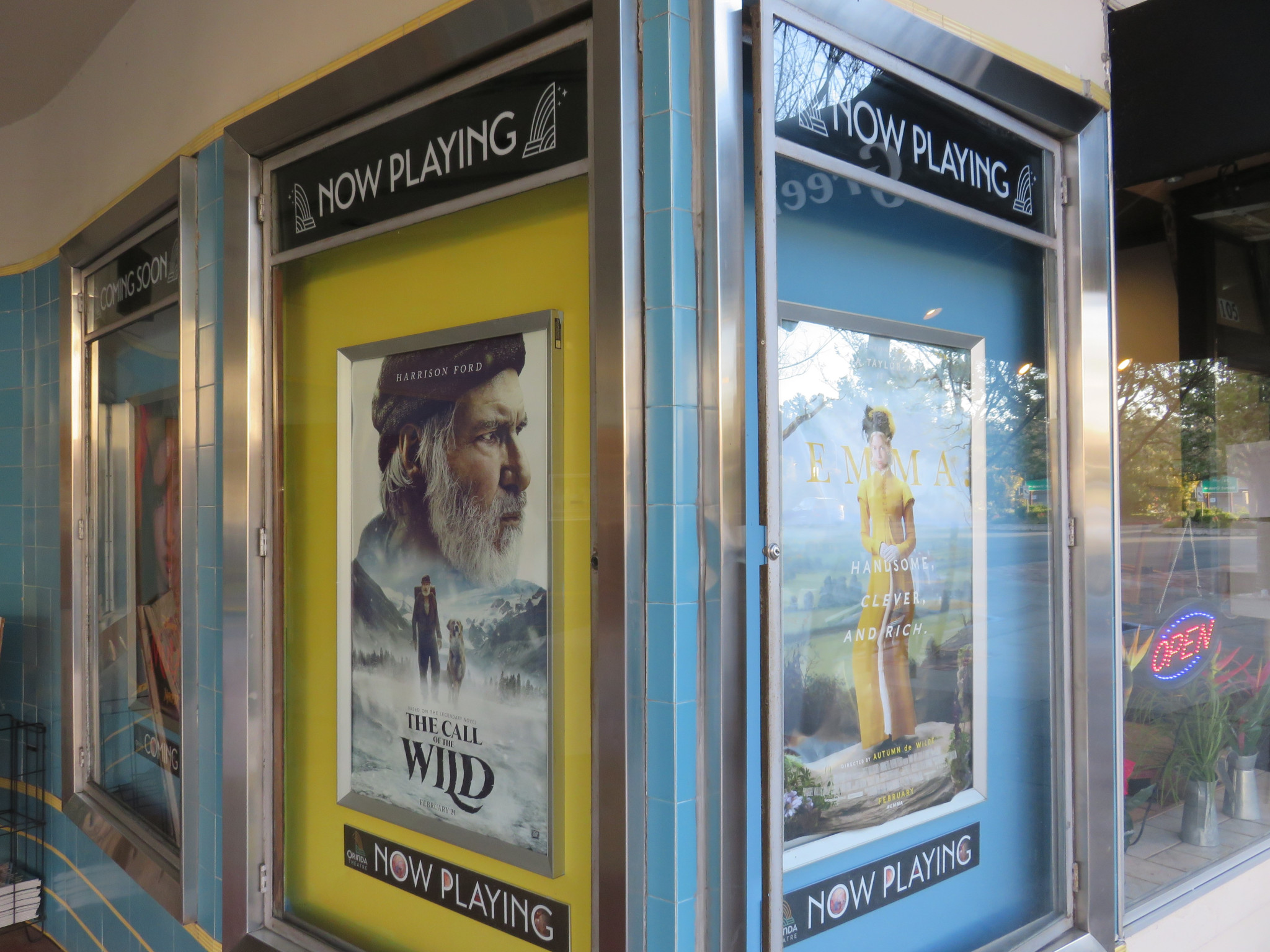
Outside, underneath the retro ceiling before the entrance doors of the theater, newly installed neon lights bounce off eye-popping colors onto the reflective glass cases that display the movie posters of Hollywood’s latest offerings; “Emma” “Onward”, and “Call of the Wild”. Cars full of movie going customers are coming from all different directions from the East Bay while the percolating sounds of the popcorn machine make noise non-stop in the lobby at the concession stand getting ready for the crowds.
You would think this would be a typical Friday movie night for this majestic theater, but it is quite the contrary. No movies are playing at any of its three auditoriums. Nor are there any customers inside the lobby that are normally filled with crowds waiting in line at the concession stand or hanging out at Cine Cuvée, mingling in groups at its attached wine bar.
MOVIE NIGHT IN
Tonight’s event is called “Movie Night In”, an ingenious promotion posted on social media from the theater’s Facebook page, where for a mere $20, customers can get a large bag of fresh popcorn, a box of “official” movie theater red vines, and either a bottle of quality wine or four beers that are normally sold at the theater and wine bar. Best of all, customers need only drive up to the curb where theater owner, Derek Zemrak, would personally deliver their orders straight to their car, just like a the old carhop waiters did in the the 60’s. The promotion is in response to the “shelter in place” order by the county that forced all movie theaters to close its doors in mid-March around the country due to the COVID-19, more commonly known as corona-virus.
Of course, with the “Movie Night In” promotion, customers still needed to provide their own entertainment at home. Despite this, it seems just bringing a few goodies from the local movie theater can certainly make the evening more enjoyable, even if the participants are just stationed in front of the TV right in their own living room on a La-Z-Boy sofa or recliner.
Unfortunately, with the building’s high astronomical rent and utilities due each month, Zemrak was forced to close the theater and lay off his entire staff.” At least they can get unemployment…you can’t make money on zero revenue”, Zemrak noted.
Though “Movie Night In” generates a very small fraction of income, it has now become a regular Friday night ritual for some of the patrons. Some customers have gotten used to the idea. Still every little bit helps. “Not too many people realize how expensive it is to operate and rent a movie theater. People see the movie theater and don’t even think anything about how expensive it is to operate”, Zemrak said.
“We just need to sell a thousand $25 gift cards and we’ll be fine”.
The majestic Orinda Theater’s landmark neon lights.
TO STREAM OR NOT TO STREAM– THAT IS THE QUESTION
Ironically, the movies that had to immediately cease playing at the theater at the time of the “shelter in place” order came into effect are now streaming on VOD (video on demand). While not all of the theaters were forced to shutdown in the country before the federal government stepped in at the time, NBC Universal announced that its own movie studio Universal Pictures and specialty label Focus Features would be releasing their films in theaters and on-demand simultaneously. This was the path taken by the studios to help salvage their box office gross for their current lineup of their theatrical releases if all theaters were forced to close, which it did.
Instead of watching “Emma”, “Onward”, and “Call of the Wild” in movie theaters, moviegoers can now only watch them only on VOD . It seems as streaming services, such as Disney Plus, VUDU and Amazon Prime, overnight has made the “home movie going experience” much more exclusive to the audience as they “shelter in place”.
In addition, NBC Universal is planning to launch a brand new upcoming streaming service called Peacock in mid July. This will make it much easier for Universal to release theatrical movies and stream it at the same time, if they ever decide to. They could completely eliminate or reduce the “theatrical window”, which is typically 72 to 76 days for most movies before it reaches home video or VOD. Nonetheless, the ease of home viewing could continue to be destructive for movie theaters, big or small, struggling to stay afloat in an age of shrinking theatrical window dates, let alone the dreaded, coronavirus. If movie studios decide to follow Universal’s suit, then all movie theaters will be in peril; the movie theater chains, like AMC and Cinemark, as well as the small independent theaters, like the Orinda.
“If you look at the business model that’s the way to go… there’s no question, go streaming…but it’s not the right thing to do to movie theaters”, Zemrak explains. “I would have never expected Universal to be the first studio to do that”.
“If Disney, Universal and Paramount decide to go streaming at the same time… the general population are going to stay home”, Zemrak said.
“The chain theaters are in more jeopardy than independent theaters because independent theaters show art films, foreign films – stuff that you can’t see…so if Disney decides to go streaming the same day the theatrical release is..”, Zemrak continued, “….you have a better shot with the independent and foreign films than the blockbusters.”
“It’s going to be really interesting in the next three months to see really what happens when the theaters reopen – how studios are going to say we’re going on streaming – if that’s the case corporate theaters like AMC and Cinemark – they’re screwed, whereas we can we can survive because we have art films.”
As an independent movie theater owner at the Orinda, Zemrak is also responsible for its film programming, as well as musical and special events. With so many movie theater chains around the area, he prefers to concentrate not so much on obtaining big Hollywood blockbusters for the theater, but the non-mainstream gems that mature audiences will resonate with. One such film was “Parasite”, which was one of Zemrak’s prime choices that he selected to play at the theater immediately after it had won the Golden Globe for Best Foreign Film in early January and before the Oscar nominations were announced. At that time, it was not a wide release film and played a record run for 12 straight weeks at the theater and turned into an unexpected blockbuster due to the Oscar buzz and year-end awards it received, including winning “Best Picture” at the Academy Awards, the first foreign film to ever accomplish this, which Zemrak rightly predicted after the nominations were even announced and even putting his reputation on live radio.
Just like there is an audience for seeing films on the big screen, there is also an avid audience for watching movies at home. Unfortunately, the more streaming movie studios do, it becomes more and more destructive for movie theaters. It becomes a balancing act when it comes to satisfying both the studios and theaters.
“I’ve been talking to all of the independent film distributors because they’re doing things with movie theaters, to say “stream your things online and we’ll give you 40% of the take!”, Zemrak added. “That sounds good but here you have a brick and mortar building and the sub studios are saying we’ll give you money to go streaming. It’s opposite of what your base product is…but if all the major studios are going to go online and stream…movie theaters are dead.”
GENERATION GAP – BABY BOOMERS VS GEN X & Y
Zemrak also noted another major obstacle for movie theaters: the generation gap between the older and younger audiences. Whereas baby boomers want the big screen experience, the younger “i-phone mp3” generation of movie goers are content to watch the latest movies on their mobile device and be done with it. It’s about instant gratification.
“So it’s like you have this crossroad of people… this complete divide of people who say I’m passionate about supporting a theater”, Zemrak continues. “If I’m passionate about supporting a theater, I’m going to support an independent theater. I’m not gonna go the Regal, the IMAX or the Luxe. I’m going to go to an independent theater because that’s what I remember. I remember going to these movie theaters that are special whereas the younger generation have no connection whatsoever to a movie theater.”
“It’s not about the Cinemark with the recliners and the comfort of the room, it’s what I want to reminisce about when I used to go to the movie theater. It was something special – like the Roxy, the Castro, the Orinda Theater. I can go and feel something from my past and go to see a movie. That’s what it’s about…but the other generations – the Generation X and the Generation Z (millennials). – they’re not going to go to the movies. They watch it on their tablets, on their iPhones, and watch it at home.”
HOPE AFTER POST CORONAVIRUS
As “Movie Night In” comes to a close for the evening, Zemrak was pleasantly surprised at the number of incoming online orders for movie gift cards. In these difficult times for small businesses, there is still a glimmer of hope and encouragement from local supporters who actually care, but unfortunately, COVID-19 will still lead the economy into a recession for the majority of businesses, at least in the short term.
Once the pandemic is over however, theater owners will have a difficult time to entice moviegoers to return, especially with the older crowd who are highly susceptible to the COVID-19 virus. Perhaps, the social distancing of six feet from another may still need to be enforced for awhile and the addition of a Hazmat suit until we discover a new vaccine for COVID-19 and will become the new norm. If this were the case, Zemrak believes it would completely eliminate the need for reserved seating, but given the alternative, I believe people will strongly prefer being six feet apart than being six feet under.
Regardless of the outcome, there are lots of moviegoers who absolutely can’t wait to leave their homes and rush into movie theaters. They want the option of being able to dream and escape to the movies when needed. If they can’t do that, it might as well be the end of Western Civilization, as we know it.
However, it’s the major Hollywood studios, like Disney, that would really like to see the dreaded COVID-19 to come to an end immediately. Disney’s lineup for 2020, like most movie studios, has a string of global blockbusters for the entire year and has recently announced an upcoming June 6th release date with “Mulan” which was originally postponed from March due to the pandemic. With the newly revised June 6th release date and the ever increasing number of COVID-19 cases around the world, it may seem overly optimistic by the studio…but when you wish upon a star – your dreams come true.
If anyone knows how to put people back into movie theaters, it’s magical world of Disney.
At the GTC 2019 Keynote conference in San Jose this month, Nvidia’s CEO and founder Jensen Huang announced Omniverse, an open collaboration platform to simplify studio workflows for real-time graphics.
This has been in the works for nearly 25 years with the company, who have been long trying to make this happen throughout the years, worked closely with Pixar Animation Studios. With Omniverse, the production pipeline in producing a full featured animated film now has become much simpler and more efficient in the process, as well as being a big money saver for the Hollywood animation studios.
Huang explained, “If you take a look at a major film and it cost something like $300M to 350M to produce that film and the vast majority of it is post production which is otherwise known as rendering and it might take something along the lines of that year and a half a year to year and a half.”
“If you could even save one month on what is otherwise a one year long project, the amount of money you could possibly say is in the millions and so this is one of the reasons why this industry is such in a hurry to find ways to accelerate the rendering process and to accelerate the production process.”
Making animated films has always been labor intensive throughout the complete complex rendering pipeline; from the beginning of its concept, modeling, texturing, rigging, animation, lighting and finally, the rendering process itself.
“You have to render it make it look totally perfect…and then once you create the character, you have to composite a whole bunch of other characters in the scene and all the environments and all the special effects…are done in physics simulation it is so so complicated.” Huang continued, “…a few shots may be assigned to a studio, a few shots would be assigned to another studio… as a result, multiple studios in multiple sites are all working on a movie at the same time.”
Omniverse includes portals — two-way tunnels — that maintain live connections between industry-standard applications such as Autodesk Maya, Adobe Photoshop and Epic Games’ Unreal Engine.
This new open collaboration platform streamlines 2D and 3D product pipelines across industries. Omniverse is built around the latest industry standards for design collaboration.
It supports Pixar’s Universal Scene Description technology for exchanging information about modeling, shading, animation, lighting, visual effects and rendering across multiple applications. It also supports NVIDIA’s Material Definition Language, which allows artists to exchange information about surface materials across multiple tools.
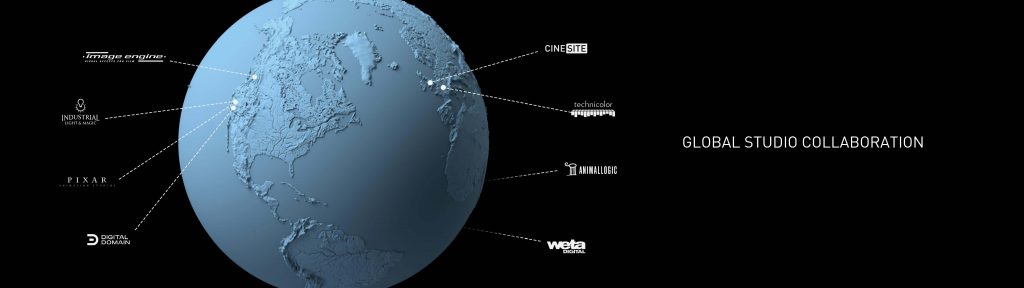
In addition to Pixar, there are presently more than 200 animation film studios around the world but you can now work with any film studio no matter which continent they are located in.
Astonishingly, graphic artists and designers will be able to view updates made in real time, as though they are in the same room sitting next to each other through NVIDIA’s Omniverse Viewer, which gives users a live look at work being done in a wide variety of tools. No matter where the filmmakers or studios are, even if they are working with on remote laptops, Omniverse connects and unifies all the designers together from anywhere making it one identifiable project, instead of hundreds of small projects that studios have been so accustomed to throughout the years.
To top it off, the Omniverse Viewer delivers the highest quality photorealistic images in real time by taking advantage of rasterization as well as support for NVIDIA RTX RT Cores, CUDA cores and Tensor Core-enabled AI.
“With Omniverse, NVIDIA has created a product artists will be eager to put to work,” said Guido Quaroni, vice president of Software at Pixar. “When we open sourced USD, our goal was to make it easier to combine complex characters and environments into a single scene. Omniverse raises the bar, leveraging USD to enable scalable real-time collaborative workflows across some of the industry’s major software packages.”
With Omniverse, artists can see live updates made by other artists working in different applications. They can also see changes reflected in multiple tools at the same time.
As a result, artists now have the flexibility to use the best tool for the task at hand.
For example an artist using Maya with a portal to Omniverse can collaborate with another artist using UE4 and both will see live updates of each others’ changes in their application.
Whether it’s Epic Games, Adobe or Autodesk, or any other Pixar collaborator, they are all encouraged by the new platform, as it allows artists to collaborate regardless of the tool they use and without the need for time-consuming conversions.
“We love the idea of connecting tools from all vendors to enable collaborative workflows,” said Tim Sweeney, CEO of Epic Games. “We adopted USD and MDL to streamline workflows where assets originate from many different applications, so it’s great to see NVIDIA extend that ecosystem to enable live connections with simultaneous updates.”
“Omniverse is an exciting concept that will enable artists around the world to collaborate on digital content creation,” said Sebastien Deguy, vice president of 3D and Immersive at Adobe. “We look forward to seeing its development and evolution.”
“We’re thrilled to explore the potential of NVIDIA Omniverse to give our customers access to immersive, interactive and collaborative experiences across industries,” said Amy Bunszel, senior vice president of Design and Creation Products at Autodesk. “We share their vision of better world modeling and simulation. By combining USD and RTX, Omniverse promises to accelerate the future of design and make.”
Huang professed at the Keynote address, “I can’t wait to see the first major motion movie made by Pixar, rendered completely on RTX”. With Omniverse, it should be even more productive.
“To infinity and beyond!”
Here is a video demonstrating Omniverse at the Keynote, with CEO Jensen Huang.
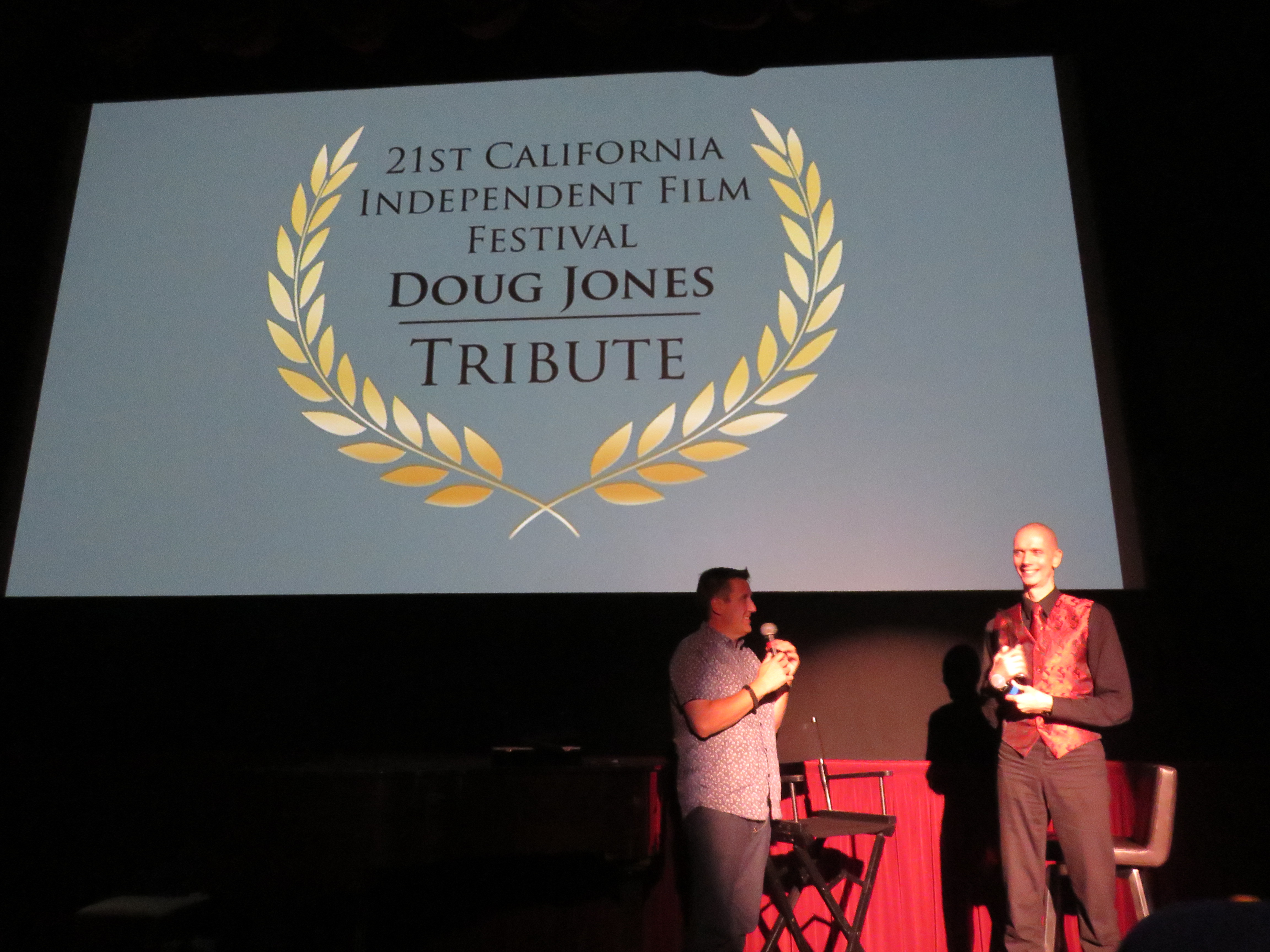
After pulling off an all-nighter on the set of the popular TV series “Star Trek – Discovery” in his role as Commander Saru, actor Doug Jones was scheduled to fly the next morning from Toronto to San Francisco to be honored and presented onstage with a “Lifetime Achievement Award” at the California Independent Film Festival.
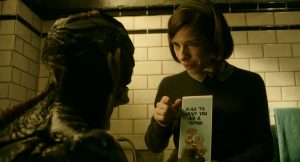
Not bad for an guy who has been unrecognizable to most of the public since he is usually behind layers and layers of prosthetic makeup in the majority of his roles, but has become a Hollywood icon for over his thirty-year career by playing some of the most unforgettable characters ever created on screen. The latest being “Amphibian Man”, the sea creature who falls in love with a mute woman, played by Sally Hawkins in last year’s Best Picture winner, “The Shape of Water”.
As soon as he arrived in the theater, he was sincerely apologetic to the cheering crowd for being late. He certainly didn’t disappoint his legion of fans, including the many Trekkie’s, as some actors in this position might have taken a different approach, such as cancelling all together, but Jones seemed to care more about his fans than about himself and it definitely showed.
EARLY DAYS
Interviewed by CAIFF founder and President, Derek Zemrak , Jones recalled growing up as a “a very tall, goofy, skinny kid” in a small town in Indiana. He was made fun of and picked on by all the other kids over the years. To survive all that, he went on to become the class clown, inspired by the likes of Dick Van Dyke, Jerry Lewis, Danny Kaye…Carol Burnett, Mary Tyler Moore, just to name a few. Those were “his” people.
“I’m inspired by that TV, so I should be on it one day”, Jones reminisced. “All my friends are on there, so I want to join them, right?”.
While going to school at Ball State University in Indiana, in addition to being the team mascot, Charlie Cardinal (with the red bird suit) he was learning mime as part of the mime troupe, “Mime over Matter”. His first job after graduating was as a street mime and contortionist at King’s Island, an amusement park in Cincinnati.
Jones explained that his “excuse” job to move to Los Angeles was to apply for a bank management training position for nine months, but was fired after eight months.
“As they should have!…Banking? You don’t want to trust me with your money.” Jones exclaims.
Then he got involved in TV commercial acting classes in Los Angeles, and within six months he was a dancing mummy on a Southwest Airline spot, and the three years following that, did 27 commercial TV spots for MacDonald’s “Mac tonight” campaign that allowed him to buy his first house.
With his contortionist skills and his “flexible” reputation as “a tall, skinny goofy guy, who moves well; wears a lot of crud on his head and doesn’t complain about it”, his attitude, along with his affable personality helped Jones make that successful transition from TV commercials to the film industry; more specifically the creature effects makeup industry”.
Jones reminisced how he was referred to by a well-known stunt friend, who was well aware Jones could put his legs behind his head, which eventually led him into his first gig on his first major motion picture.
“I got a call from the Stunt department…”, Jones explains. “We want to you to come and meet us”. After Burton demonstrates his skills, the stunt writer says “hang on a second, I’d like you to meet somebody… and he comes back with Tim “freaking” Burton. So, after I wet myself…”, Jones demonstrated his skills again. Jones got the part in “Batman Returns”, without even having any head shots.
In addition to playing the Thin Clown in “Batman Returns”, his other highlights include playing Billy Butcherson in the perennial favorite Halloween movie, “Hocus Pocus” starring Bette Midler; and the title role in “Fantastic Four – Rise of the Silver Surfer”. However, he has become Guillermo del Toro’s “go to man”, in which he no longer needs to read the script for his films to accept the role. He has worked in seven of his films, including roles of Abe Sapien in the Hellboy series, the Faun and Pale Man in Pan’s Labyrinth, and Amphibian Man in the Oscar winning Best Picture, “The Shape of Water”.
The original costume worn by Doug Jones as Orlok from the forthcoming movie, Nosferatu,, scheduled to be released in 2019. Photo taken at the lobby of the Orinda Theatre. Photo by Marcus Siu.
DREAM ROLE & UPCOMING FILM
After having played so many monsters and creatures, Jones had just one dream role left…
“If you asked me ten years ago, what’s the one role you haven’t played yet you really would love to?” My answer was “I haven’t played a proper vampire yet…I want fangs…I want to be a classic vampire…I’m too old and gross to play a young sparkly vampire. Jones continued. “Who’s old and gross? “Nosferatu!”.”
As chance would have it, Jones would get a call from Director David Lee Fisher, who did a 2005 remake of one of the first original German horror silent films, “The Cabinet of Dr. Caligari” that was shot over a hundred years ago; in which the remake updates the silent film with sound and dialogue. He called to see if Jones wanted to play the lead role in his upcoming project, “Nosferatu”. Little did Fisher know this was Jones’ absolute dream role was to play Count Orlok in “Nosferatu”.
“What’s really special…is the film in the background is all shot in green screen and the original footage from shot nearly 100 years ago will be all in the background.” Zemrak added, who came on board as one of the producers of the film, as well.
Jones also added, “not only did I get to play that character that I longed to play, but I got to play in the environment that Max Schreck got to play in.”
Something tells me with the enthusiasm and amazing talent of Doug Jones, this new and upcoming “Nosferatu” won’t suck.
Article and photos by Marcus Siu
(originally published on mlsentertainment.wordpress.com)
Fathom events, March – On the evening of Sunday, April 2nd, thousands of delighted moviegoers were treated in hundreds of movie theaters to the classic thriller North by Northwest, directed by the incomparable Alfred Hitchcock. A hapless advertising executive named Roger Thornhill, played by Cary Grant, is mistaken for a fictional government agent by a gang of spies head by Vandamm, their ruthless ringleader played by James Mason. Thornhill is kidnapped and then framed for the murder of a United Nations diplomat. He escapes his sinister captors and goes on a run across America in his attempt to clear his name. Eva Marie Saint plays Vandamm’s mistress Eve, but with a twist. Martin Landau has his film debut as Vandamm’s creepy right-hand man.
Thornhill has two memorable and iconic encounters that have become part of our rich film lore. The first is the encounter he has with a sinister crop-duster, a scene filmed in the San Joaquin Valley nears Bakersfield, California, about two hours north (by northwest?!) of L.A. (For devoted fans, it took place on Garces Highway). Originally, Hitchcock envisioned a tornado threatening him, but for tech reasons, settled on the bi-plane and an exploding oil tanker. It works beautifully, a fact to which film history attests.
The next harrowing scene in which the bad guys pursue Thornhill takes place in the Black Hills of South Dakota on the massive sculpture of four presidents carved into Mount Rushmore which depicts Washington, Jefferson, T. Roosevelt, and Lincoln. Thornhill along with Eva, find themselves clawing across the face of Lincoln, and in fact, Hitchcock had even thought of naming the film “The Man on Lincoln’s Nose” after a short story he had read by that name which inspired the scene.
Some actors who had aspired to roles in the film included James Stewart and Gregory Peck for the role of Thornhill and Grace Kelly and elizabeth Taylor as Eve.
The Production Code Administration had difficulties with the sexual content of the film, but Hitchcock prevailed. Martin Landau’s character was scripted as a homosexual jealous of Vandamm’s mistress, but Hitchcock agreed to have him be more subtle than the script demanded.
And incidentally, if you think you heard hints of the music from Psycho or Vertigo, you’re right. The music North by Northwest was composed by Bernard Herrmann who wrote the score for all Hitchcock films and is considered to be one of Hollywood’s greatest composers of all time.
North by Northwest is a classy thriller and an iconic American treasure, and it’s Hitchcock at his very best which is pretty good, indeed.